
The psychology of gambling understanding the mind behind the bet
January 21, 2026 2026-01-21 17:57
The psychology of gambling understanding the mind behind the bet
The psychology of gambling understanding the mind behind the bet
The Allure of Gambling
The world of gambling captivates millions with its potential for thrill and financial reward. This allure stems from a mix of psychological factors, including the promise of excitement and the chance to escape from everyday life. Many individuals find themselves drawn to the adrenaline rush that comes with placing bets, feeling a surge of emotions that can be both intoxicating and addictive. For those seeking excitement, exploring online casinos not on GamStop can provide thrilling options beyond traditional channels.
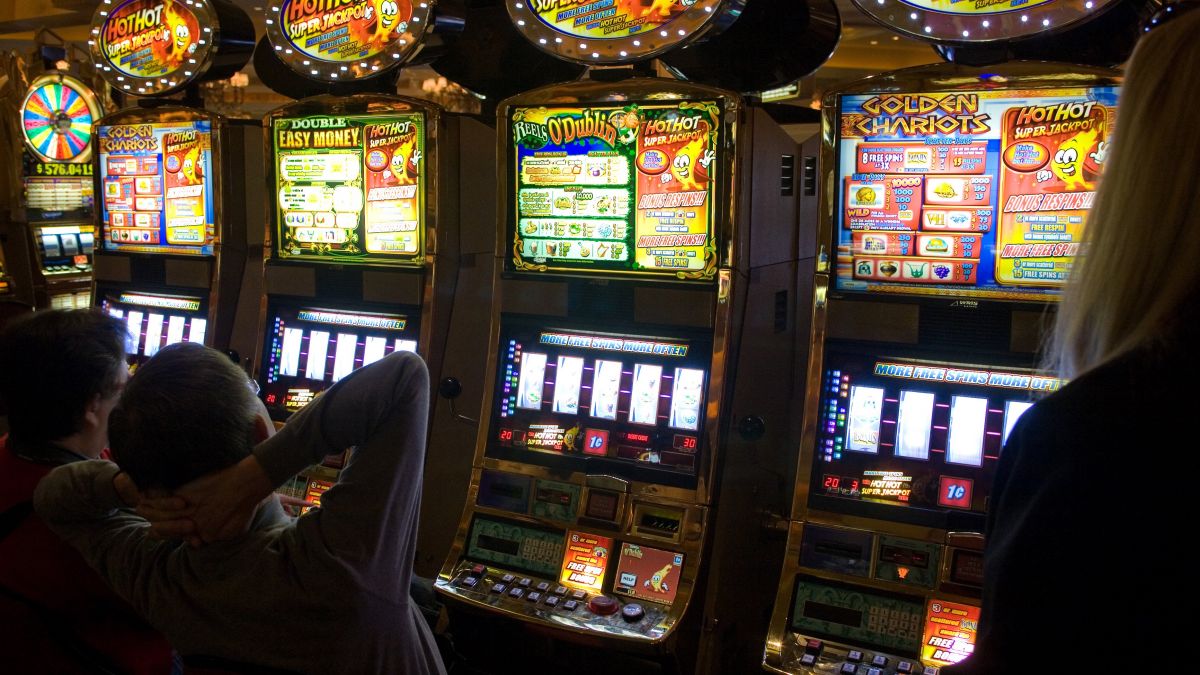
Moreover, the social aspect of gambling plays a crucial role in its appeal. Engaging with others in a casino or an online platform fosters a sense of community. The laughter, cheers, and camaraderie can make the gambling experience feel exhilarating, as people bond over shared hopes and dreams of winning big.
The Role of Risk and Reward
The psychology behind gambling is heavily influenced by the concepts of risk and reward. Players often calculate potential gains against the risks involved, leading to a heightened sense of excitement when a bet pays off. This dynamic is deeply rooted in the brain’s reward system, where wins trigger the release of dopamine, reinforcing the behavior and making players want to gamble again. Understanding how risk influences decisions can greatly enhance the gambling experience.
This cycle can lead to problematic gambling behaviors, as individuals may chase losses or fall into a pattern of betting excessively. The thrill associated with the potential for big wins can cloud judgment, pushing players to take risks they might not normally consider in other areas of their lives.
The Impact of Cognitive Biases
Cognitive biases play a significant role in how individuals perceive gambling outcomes. Common biases, such as the gambler’s fallacy—the belief that past events influence future probabilities—can mislead players. For instance, someone might think that a game is “due” for a win after a series of losses, leading to irrational decision-making. It’s crucial for players to recognize these cognitive errors to make better choices.
Another bias is the illusion of control, where players believe they can influence outcomes through skill or strategy, even in games of chance. This perception can create a false sense of confidence, driving individuals to place more bets than they would otherwise consider prudent.
The Emotional Rollercoaster
The emotional highs and lows of gambling contribute significantly to its psychology. Winning can evoke feelings of euphoria and empowerment, while losses can lead to disappointment and frustration. This emotional rollercoaster is both enticing and dangerous, as it can lead to a cycle of chasing losses and seeking the next high.
Understanding these emotional responses is crucial for individuals who gamble. Recognizing the impact of emotions on decision-making can help players develop healthier gambling habits. By learning to manage emotions, individuals can reduce the risk of falling into destructive gambling patterns.
Your Guide to Responsible Gambling
For those interested in exploring gambling responsibly, finding the right platform is essential. The Best Non GamStop Casinos website serves as a valuable resource, offering insights into various gambling options that cater to different preferences and styles. With expert reviews and recommendations, players can make informed choices while enjoying a secure gaming experience.
Empowering users with knowledge about gambling can enhance their enjoyment while minimizing risks. By focusing on safe and responsible gambling practices, individuals can fully appreciate the entertainment value of betting without jeopardizing their well-being.