
Cultural perceptions of gambling How society shapes our choices
April 20, 2026 2026-04-20 16:35
Cultural perceptions of gambling How society shapes our choices
Cultural perceptions of gambling How society shapes our choices
The Role of Culture in Gambling Perception
Cultural perceptions play a significant role in shaping how societies view gambling. In some cultures, gambling is seen as a fun and social activity, while in others, it is associated with moral decay and financial ruin. For instance, in many Asian cultures, gambling can be intertwined with traditional rituals and celebrations, illustrating its acceptance in social contexts. This cultural backdrop influences individuals’ willingness to engage in gambling, often making it a normative behavior rather than a taboo. Moreover, exploring online platforms such as crazyluckcasino-uk.com can provide insights into these cultural dynamics.

Conversely, in Western societies, perceptions can be more mixed. While places like Las Vegas celebrate gambling as a thrilling form of entertainment, other regions may view it skeptically, equating it with addiction and crime. This dichotomy reflects broader societal values around risk and reward, individualism versus communal responsibility, and the interpretation of leisure activities. Consequently, cultural background often dictates whether gambling is embraced or shunned.
These varying perceptions also affect legislation and regulation surrounding gambling. In jurisdictions where gambling is culturally accepted, governments may promote it as a means of generating revenue through taxes. In contrast, societies that view gambling negatively might impose stricter laws, reflecting the belief that gambling can lead to social problems. This dynamic illustrates how culture not only shapes individual choices but also influences societal structures surrounding gambling.
Economic Influences on Gambling Choices
The economy significantly impacts gambling behaviors and choices. In times of economic prosperity, individuals may be more inclined to gamble, perceiving it as an opportunity for additional income or excitement. For example, during economic booms, casinos may see increased foot traffic as more people have disposable income. This trend highlights the connection between financial stability and risk-taking behaviors, where the allure of potential winnings can overshadow the risks involved.
On the other hand, during economic downturns, gambling may be viewed with increased caution. People facing financial difficulties might see it as a desperate attempt to regain lost stability, leading to more severe consequences. This can foster a culture of gambling addiction, where individuals chase losses in hopes of a financial turnaround. This cycle illustrates how economic conditions can shape both personal choices and societal views on gambling.
Moreover, the economic context shapes the types of gambling that flourish within a society. In regions with lower socioeconomic status, underground gambling and illegal betting may thrive as individuals seek alternative forms of entertainment or income. In contrast, affluent areas might see a rise in luxury casinos and high-stakes games, reinforcing the idea that gambling is accessible to all, yet often dominated by those who can afford to lose. This economic disparity influences perceptions of gambling as both a leisure activity and a serious financial risk.
Psychological Factors at Play
Psychological factors also play a crucial role in gambling choices, intertwined with cultural and economic influences. For many individuals, gambling serves as an escape from reality, providing a thrill that can temporarily alleviate stress and anxiety. This aspect makes gambling attractive, especially in high-pressure societies where individuals seek a release. The psychological allure of winning can create a cycle where individuals repeatedly gamble in hopes of recapturing that initial excitement.
Additionally, cognitive biases, such as the illusion of control and gambler’s fallacy, can distort a person’s perception of their chances of winning. Many gamblers convince themselves that they have a “system” or that they can influence the outcome, despite the inherent randomness of games. This psychological aspect can encourage continued play, as the belief in potential success overshadows the realities of statistical probabilities.
Moreover, societal narratives often glorify gambling successes while minimizing the stories of loss and addiction. Media portrayals and popular culture frequently highlight jackpot winners, which can contribute to unrealistic expectations among potential gamblers. As a result, individuals may enter gambling environments with an inflated sense of their chances for success, further perpetuating the cycle of gambling behavior. Understanding these psychological underpinnings is essential for grasping why individuals make specific choices in gambling contexts.
The Impact of Technology on Gambling Choices
Technological advancements have transformed the gambling landscape, significantly altering how society engages with this activity. Online gambling has become increasingly popular, providing greater access to gambling options than ever before. With a few clicks, individuals can engage in various games, which has broadened the audience and demographics of gamblers. This accessibility can normalize gambling behavior, embedding it more deeply into everyday life.
Moreover, technology has facilitated the development of mobile gambling apps, allowing individuals to gamble on-the-go. This convenience can lead to an increase in impulsive gambling behavior, as the barriers to access have been reduced. Social media platforms also play a role by showcasing gambling experiences, creating a culture that glamorizes the lifestyle associated with winning and encouraging more individuals to participate in gambling activities.
However, this increase in accessibility raises concerns about gambling addiction and its associated risks. The ease of online gambling can mask the consequences, making it more challenging for individuals to recognize when their behavior becomes problematic. Society’s overall perception of gambling, influenced by technological advancements, must consider these potential pitfalls and strive for responsible gambling practices to mitigate risks.
Understanding Online Gambling Platforms
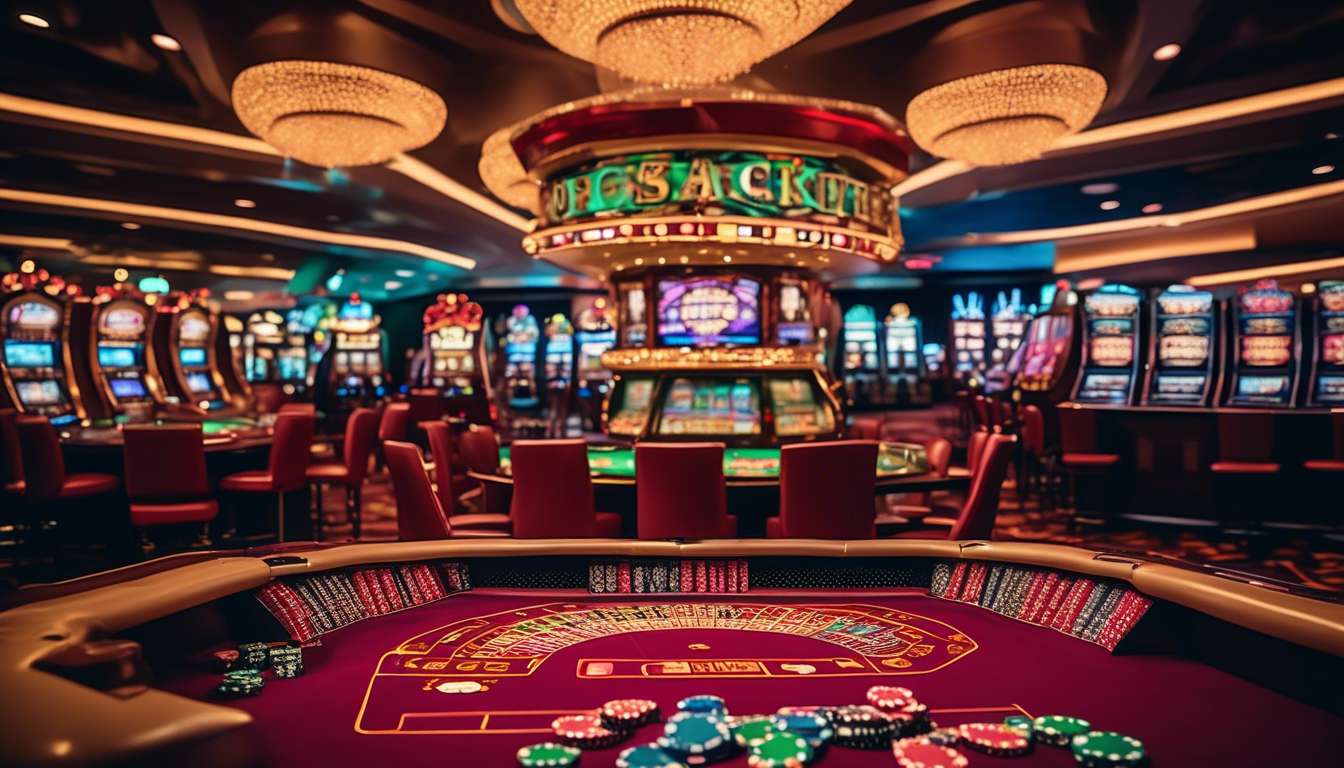
Online gambling platforms like Crazy Luck Casino UK have revolutionized the gambling experience, offering extensive game selections and innovative features. With over 2,000 games, players can find something that aligns with their preferences, ranging from classic slots to live dealer options. Such diversity not only caters to various tastes but also reflects the modern gambling culture that embraces both traditional and digital entertainment.
These platforms often incorporate attractive welcome bonuses and promotions, which can entice new players. For instance, Crazy Luck Casino offers a generous welcome package, highlighting the competitive nature of the online gambling market. Such incentives are designed to draw users in and encourage them to explore different gaming options, often leading to increased participation and engagement.
Additionally, the integration of multiple payment options, including cryptocurrencies, shows the industry’s shift towards accommodating diverse user needs. This flexibility enhances player satisfaction, as users can choose their preferred methods for transactions. By prioritizing convenience and player experience, online casinos shape societal views of gambling as a mainstream and accessible form of entertainment, which may further influence individual choices in the gambling arena.